

Unveiling the Beauty of Traditional Indian Textile Designs
Indian textiles have a rich history. They tell stories of culture, tradition, and craftsmanship. Among these, traditional Indian textile designs stand out for their intricate patterns and unique techniques. These textiles are not just fabric; they are a form of art. They connect the past with the present. They offer a way to celebrate heritage through clothing.
Exploring Traditional Indian Textile Designs
Traditional Indian textile designs vary by region. Each region has its own style, motifs, and weaving methods. For example, the Kerala Kasavu saree is known for its simple elegance. It features a white or cream base with a gold border. This design is minimal yet striking. It reflects the culture of Kerala and is often worn during festivals and special occasions.
Other regions have their own signature textiles. Banarasi silk from Varanasi is famous for its rich brocades. These sarees have intricate gold and silver zari work. Similarly, the Bandhani tie-dye from Gujarat and Rajasthan uses vibrant colors and patterns. Each textile design carries meaning and tradition.
These designs are created using age-old techniques. Handloom weaving, block printing, and embroidery are common methods. These require skill and patience. The artisans pass down their knowledge through generations. This ensures the preservation of traditional craftsmanship.
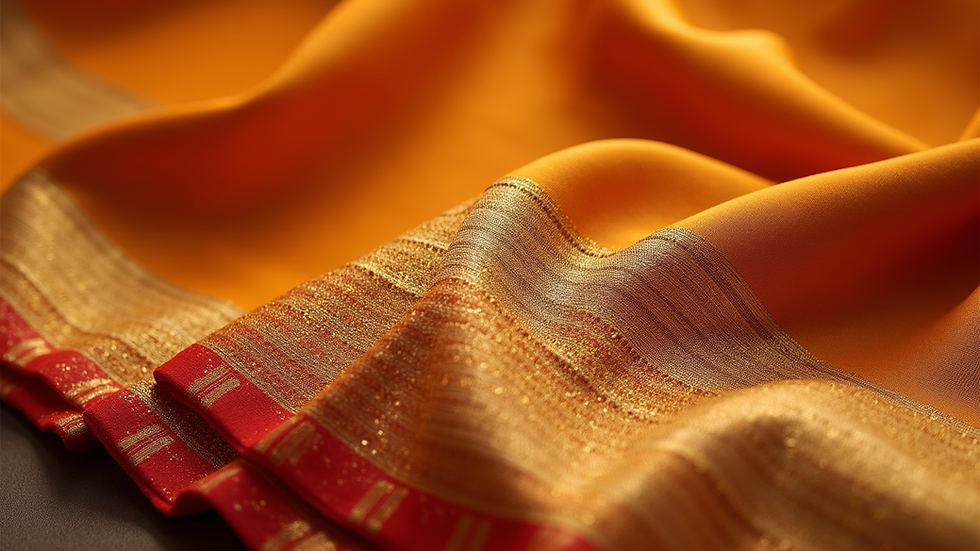
The Craftsmanship Behind Traditional Indian Textile Designs
The making of traditional Indian textiles involves several steps. It starts with selecting the right materials. Cotton, silk, and wool are commonly used fibers. The quality of the fiber affects the final product. Next comes the dyeing process. Natural dyes are often preferred for their rich hues and eco-friendliness.
Weaving is a critical stage. Skilled weavers use handlooms to create patterns. This process can take days or even months depending on the complexity. Embroidery and embellishments add further detail. Techniques like zari work, mirror work, and beadwork enhance the textile’s beauty.
The artisans’ expertise is evident in every piece. Their work reflects dedication and precision. This craftsmanship makes traditional Indian textiles unique. It also adds value to the garments made from them.
What is the meaning of savita?
The term "savita" is often associated with brightness and energy. In the context of textiles, it can symbolize the vibrant and lively nature of traditional designs. It reflects the spirit of Indian culture and the warmth of its people. Understanding such terms helps appreciate the deeper significance behind textile art.
How to Choose Authentic Traditional Indian Textiles
Choosing authentic traditional Indian textiles requires attention to detail. Here are some tips to help:
Check the fabric quality - Authentic textiles use natural fibers like silk or cotton.
Look for handwoven patterns - Machine-made fabrics lack the irregularities of handloom work.
Examine the dye - Natural dyes have a softer, richer tone compared to synthetic ones.
Verify the origin - Certain designs are specific to regions, such as Kerala Kasavu sarees.
Ask about the artisan - Knowing the maker adds value and authenticity.
Buying from trusted sources ensures you get genuine products. This supports the artisans and preserves traditional crafts.

Caring for Traditional Indian Textiles
Proper care extends the life of traditional textiles. Here are some practical tips:
Hand wash or dry clean - Avoid harsh detergents and machine washing.
Store in a cool, dry place - Use muslin cloth to wrap the fabric.
Avoid direct sunlight - Prolonged exposure can fade colors.
Iron on low heat - Use a cloth between the iron and fabric.
Handle with care - Be gentle with embroidery and embellishments.
Following these steps helps maintain the fabric’s texture and color. It preserves the beauty of your traditional wear.
Why Choose Svairitaa for Traditional Indian Wear
I have found that svairitaa offers a unique blend of heritage and modern design. Their focus on authentic Kerala Kasavu sarees is impressive. They respect traditional craftsmanship while catering to contemporary tastes. This makes their collection suitable for various occasions.
Their commitment to quality and authenticity stands out. They source materials carefully and work with skilled artisans. This ensures every piece is genuine and well-made. For those seeking traditional Indian textiles in Australia, Svairitaa is a reliable choice.
Their designs allow you to celebrate culture and individuality. Wearing these textiles connects you to a rich heritage. It also supports the artisans who keep these traditions alive.
Embracing Tradition in Modern Times
Traditional Indian textile designs are timeless. They adapt well to modern fashion. Designers incorporate these textiles into contemporary styles. This keeps the tradition relevant and accessible.
Wearing traditional textiles is more than fashion. It is a way to honour culture. It is a statement of identity. For those in Australia, embracing these textiles offers a connection to Indian heritage. It also adds elegance and uniqueness to your wardrobe.
By choosing authentic textiles, you support sustainable fashion. You help preserve artisanal skills. This benefits communities and promotes cultural diversity.
Traditional Indian textile designs offer beauty, history, and meaning. They are crafted with care and skill. Choosing authentic pieces ensures you experience their true value. Whether for special occasions or everyday wear, these textiles enrich your style and celebrate heritage.


Comments